Best Time to Visit Sicily: What to Know Each Season
Best Time to Visit Sicily: What to Know Each Season

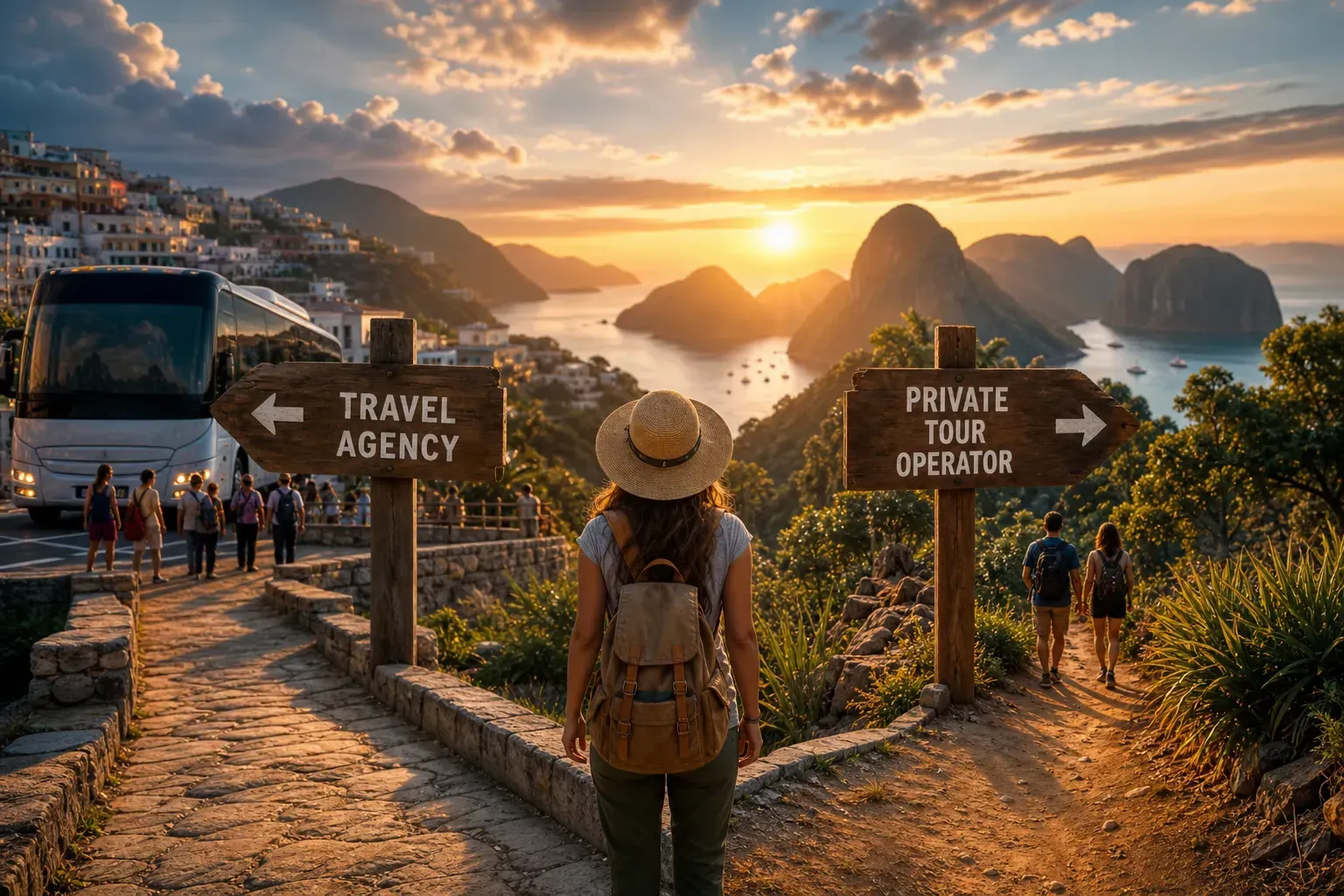
The best time to visit Sicily depends on what you want from the island. The Sicily you discover on a cool, flower-scented April morning is a different place entirely from the one blazing under a July sun or settling into the amber quiet of October harvest season. That's not a weakness, it's the whole point. The right time to visit depends entirely on what you're there for.
At Contessa, we spend our days helping travelers answer this exact question. Honeymooners chasing an uncrowded coastline ask it. Culinary travelers wanting to walk a vineyard during harvest ask it. Families juggling mixed energy levels and interests ask it. After years of building private itineraries across every season, the answer is always the same: there's no single best month for everyone, but there is a best month for you.
This guide covers Sicily's weather, sea temperatures, crowd levels, local festivals, and food and wine highlights by season. By the end, you'll know exactly when to go to Sicily, and why.
Spring (April and May): One of the Best Times to Visit Sicily
Spring is the season we recommend most often to first-time visitors. The island is green, temperatures are genuinely comfortable, crowds are a fraction of summer levels, and the cultural calendar is already rich. If you don't have a specific reason to visit another time, April and May are where you start.
Weather, wildflowers, and daylight in April and May
Average temperatures climb from around 15°C (59°F) in April to nearly 19°C (66°F) in May, with 13 to 14 hours of daylight. Rainfall drops sharply from March, and the island's interior bursts into bloom: wildflowers line the roadsides, almond trees carry late blossoms, and the drive through the Val di Noto or across the Madonie Mountains becomes something worth pulling over for. Sea temperatures reach 65 to 67°F by late May, cool enough for confident swimmers but comfortable for a day on the water by boat.
The activities that come alive in spring
Hiking Mount Etna and the Madonie Mountains is ideal before summer heat sets in. Cycling valley routes through citrus groves and open countryside is genuinely pleasant in a way it simply isn't in August. Late spring often offers fewer crowds and lower prices than peak summer, and many days bring calmer seas, making it a practical window for private coastal boat experiences, depending on wind conditions. A day off the coast near Taormina or the western shoreline in May feels like a private discovery.
Spring festivals worth timing your trip around
The Infiorata di Noto in May transforms the town's streets into elaborate flower-petal mosaics, one of the most visually striking events on the island. The Greek Drama Festival in Syracuse runs from May into June, offering classical theatre performed in an ancient setting that needs no embellishment. The Primavera Barocca programming across the Val di Noto baroque towns fills the season with cultural events set against some of the most beautiful architecture in the Mediterranean.
Summer (June through August): Peak Season in Full Swing
Summer is Sicily's most visited season, and the reasons are obvious: reliable sunshine, the warmest sea temperatures of the year, and a social energy that runs from the piazzas to the beaches. But summer comes with real trade-offs, and knowing them before you book makes the difference between a great trip and a frustrating one.
What July and August actually feel like on the ground
Temperatures peak at around 32°C (89.6°F), with inland areas and direct afternoon sun feeling considerably hotter. August is the island's busiest month by a significant margin: Italian summer holidays and Ferragosto on August 15th flood Sicily with domestic tourists, pushing accommodation prices two to three times higher than low season. June is the most underrated month of summer. Days run to 15 hours of light, sea temperatures sit comfortably at 72 to 75°F, and the crowds are noticeably thinner than what arrives in July and August.
Sea temperatures and beach conditions in summer
Water temperatures peak at 78 to 80°F in August, the warmest swimming of the year. Popular coastal areas including San Vito Lo Capo, Taormina's beaches, and the Aeolian Islands fill up quickly. Private boat charters frequently sell out in July and August, so if a day on the water is part of your plan, booking well in advance is strongly recommended. June and early July offer the same beautiful coastline with considerably more breathing room.
Major summer events and cultural highlights
The Feast of Santa Rosalia in Palermo runs from July 10th through 15th and is one of the most theatrical religious celebrations in Italy. Candlelit processions wind through the streets, fireworks burst over the harbor, and the entire city feels in motion. Ferragosto on August 15th brings its own fireworks and processions to virtually every town on the island. If you're there for the atmosphere and don't mind the price premium, summer delivers it completely.
Autumn (September and October): The Season Food and Wine Lovers Wait For
If your trip is built around eating and drinking well, autumn in Sicily is one of the most rewarding times to visit. Temperatures ease from their summer heights, crowds begin to thin, and the island's agricultural calendar reaches its most exciting and flavorful stretch of the year.
Harvest time on Etna and in the vineyards
September and October mark the Etna grape harvest, the most experiential time to visit Sicily's most celebrated wine region. During the harvest, many of Etna's vignerons offer visits, cellar tastings, and access to working farmhouses that simply aren't available the rest of the year.
Through our relationships with these producers, the Contessa team arranges private harvest mornings, tastings directly with winemakers, and lunches in working farmhouses. These aren't tourist-facing events; they're invitations into how the harvest actually works. Sea temperatures remain comfortable through September at 76 to 78°F and into October at 72 to 74°F, so coastal and culinary days fit together naturally in the same itinerary.
Food festivals and what's on the table
The Couscous Fest in San Vito Lo Capo in September is one of Sicily's best-known food events, rooted in the island's Arab culinary heritage and drawing international competitors alongside local producers. The Ottobrata Zafferanese in Zafferana Etnea runs through October Sundays on the slopes of Etna, a market series celebrating seasonal produce with a genuinely local character. The Sagra del Pistacchio in Bronte in October places you at the center of Sicily's world-famous pistachio harvest, one of those experiences that makes an itinerary feel genuinely irreplaceable.
Coastal calm and late-season boat experiences
Late September and October bring uncrowded coastline, still-swimmable water, and availability on private boat charters at rates well below summer. The light in autumn is softer and richer than July's sharp glare. The pace of the island settles, and Sicily feels more like itself. For travelers who want beauty and depth rather than buzz, this is the season.
Winter (November through March): Quiet Streets, Low Prices, and Local Festas
Winter is one of southern Europe's most underrated travel seasons, and Sicily is no exception. Crowds disappear almost entirely, prices drop significantly, and the festivals that remain are among the most authentic and genuinely local you'll find anywhere on the island.
What the island looks like in the quiet months
Average monthly temperatures sit around 10 to 12°C (50 to 54°F), though nighttime lows can dip further in inland or higher-altitude areas. Clear days are pleasant, especially in the baroque towns of the southeast. Rainfall increases from November onward, but storms tend to be brief. Walking through Ragusa Ibla or Modica on a clear December morning, with almost no other visitors around, is an experience that simply doesn't exist in August. This is the season to see Sicily as locals actually live in it.
The festivals that make winter worth considering
The Feast of Sant'Agata in Catania, held February 3rd through 5th, is one of the largest religious festivals in Italy, drawing very large crowds over three days of candlelit processions and ceremony.
The Carnevale di Acireale in February is famous throughout Sicily for the elaborateness of its floats. The Almond Blossom Festival in Agrigento in February surrounds the Valley of the Temples with early-spring bloom. The Feast of Santa Lucia in Syracuse on December 13th brings candlelit processions through the old city in a way that's moving and genuinely quiet.
What you trade off, and who winter actually suits
Swimming is generally not recommended from November through March for most travelers, though short dips may still be possible in early November in sheltered spots. Winter suits travelers who prioritize culture, history, and authentic local life over sun and resort activity. For those who want to visit Sicily's archaeological sites, baroque towns, and local markets without crowds or heat, the quiet months are a genuine revelation.
When to Go to Sicily: A Quick Season-by-Season Guide
The best time to visit Sicily is shaped entirely by what you want to do, experience, and spend. Here's how the seasons break down at a glance.
A quick crowd and price guide by season
- Shoulder seasons, spring (April to May) and autumn (September to October): The most balanced combination of good weather, manageable crowds, and mid-range pricing. Sea temperatures are comfortable and major festivals are active. Spring brings wildflowers, cultural events, and open coastlines; autumn delivers harvest access, food festivals, and a quieter, richer version of the island.
- Peak season (July to August): Best for those who want the warmest water and the social energy of a full Sicilian summer. Book accommodation and boat charters well in advance, and budget for the premium.
- Low season (November to March): Lowest prices, fewest tourists, and a more intimate version of Sicily. Beach and swimming activity are limited, but the cultural and culinary richness remains.
How a tailored itinerary gets built around seasonal highlights
The timing of your visit shapes everything: what you eat, which producers are active, whether the sea is swimmable, which festivals are running.
At Contessa, every itinerary is built from scratch around the season you're traveling in. An October trip might center on a private Etna harvest morning, a cellar lunch with the winemaker, and an afternoon on a quiet boat off the north coast. A May trip might open with a hike through wildflowers above Taormina and close with a flower-carpet evening in Noto.
The details that make a trip memorable are seasonal by nature. Getting them right requires a team that's on the ground year-round, with relationships that run deeper than any booking platform can replicate.
The Bottom Line on the Best Time to Visit Sicily
The best time to visit Sicily is when it aligns with what you actually want most, not what a generic peak-season calendar tells you. Spring delivers balance: mild weather, wildflowers, open coastlines, and a cultural calendar already in motion. Summer brings warmth, energy, and the warmest water of the year, at a price. Autumn rewards food and wine travelers with harvest access and a quieter, richer island. Winter offers culture, authenticity, and some of Sicily's most moving festivals at the lowest prices of the year.
Every one of those seasons has a strong case. The question is which one is right for your trip specifically. If you're not sure, that's exactly the conversation the Contessa team is here for. Tell us when you're thinking of coming, what draws you to Sicily, and what kind of experience you want to bring home. We'll take it from there.
Frequently Asked Questions About Visiting Sicily
When is the best time to visit Sicily for swimming?
The best months for swimming in Sicily are June through September, when sea temperatures range from the low 70s to around 80°F. July and August offer the warmest water, while June and September give you comfortable conditions with fewer crowds. October is transitional, still swimmable in sheltered spots early in the month, but cooling quickly by the end.
When is the best time to visit Sicily to avoid crowds?
April, May, and October offer the best balance of pleasant weather and manageable crowd levels. November through March sees the fewest tourists of any period, but some coastal areas and beach facilities close for the season. If avoiding the August rush is your priority, even shifting to late June or early September makes a noticeable difference.
Is May a good month to visit Sicily?
May is one of the strongest months on the calendar. Temperatures are comfortable, the island is green and flowering, and events like the Infiorata di Noto and the Greek Drama Festival in Syracuse are running. Sea temperatures are cool but manageable for a day on the water. For first-time visitors especially, May is consistently one of our top recommendations at Contessa.
What is the best time to visit Sicily for food and wine experiences?
September and October are the standout months for food and wine travelers. The Etna grape harvest runs through both months, the pistachio harvest in Bronte peaks in September, and festivals like the Couscous Fest and Sagra del Pistacchio bring local producers together in ways that don't happen the rest of the year. The combination of harvest access, comfortable temperatures, and quieter coastlines makes autumn the most rewarding season for culinary itineraries.
Recent Posts